Our process applies techniques from a variety of disciplines, values distinction in detail and gives careful
Brahmin Bhojanam – A Sacred Ritual of Offering, Blessings, and Ancestral Peace
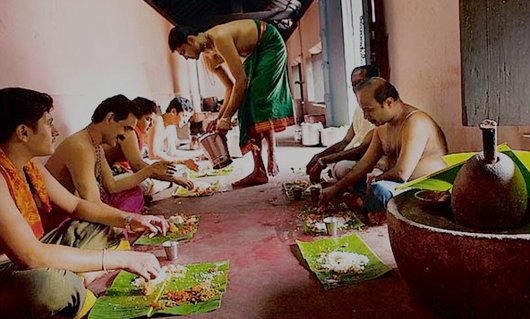
Brahmin Bhojanam is one of the most important rituals in Sanatan Dharma, performed as part of ceremonies such as Shraddham, Masikam, Abdikam, Samvatsarikam, Pitru Karyas, Homam, Daan rituals, and special auspicious occasions. It is the act of respectfully serving food to Brahmins with purity and devotion.
Scriptures describe Brahmin Bhojanam as a divine offering that brings peace to ancestors, purification of karmas, and blessings for the entire family.
Families often search for clarity on:
Why is Brahmin Bhojanam necessary?
When should it be done?
What is the correct procedure?
How many Brahmins should be fed?
Can it be done in Kashi or Gaya?
Who will arrange Brahmins and samagri?
This article answers these questions in a clear and practical manner.
Why Brahmin Bhojanam Is Important
Brahmin Bhojanam is performed to express:
Gratitude to ancestors
Respect towards Vedic knowledge and dharma
A pure and selfless act of charity
Fulfillment of duties in Pitru rituals
According to dharma shastras, feeding a Brahmin during shraddha or any auspicious ritual is considered equivalent to feeding the gods themselves, because Brahmins represent the carriers of Vedic lineage and sacred knowledge.
Benefits of Brahmin Bhojanam:
Peace for the departed soul
Removal of Pitru Dosha
Blessings for health and longevity
Prosperity and protection for the family
Emotional satisfaction and spiritual upliftment
Fulfillment of ritual obligations
When Brahmin Bhojanam Is Performed
Brahmin Bhojanam is commonly part of:
Shraddham
Masikam
Abdikam
Samvatsarikam
Pitru rituals in Kashi, Prayagraj, Gaya
Homam or daan rites
Amavasya tithis
Festivals or personal sankalp days
New beginnings or family milestones
There is no restriction—it can be done anytime when the family wishes to seek blessings.
Brahmin Bhojanam Procedure (Simple Explanation)
Sankalp The kartā takes a sankalp stating the names, gotra, and purpose of the ritual.
Puja and Invocation Brahmins are welcomed with respect. Puja is offered to deities and ancestors.
Serving Food Freshly prepared sattvic food is served to the Brahmins. Common items include rice, dal, vegetables, ghee, sweets, and fruits.
Dakshina and Vastra Daan After the meal, the family offers dakshina, angavastram or cloth, fruits, or other ritual items.
Blessings Brahmins bless the family and pray for their wellbeing and ancestral peace.
Brahmin Bhojanam is usually completed in 30–60 minutes, depending on the ritual.
How Many Brahmins Should Be Fed?
There is no fixed number, but based on tradition:
Masikam – 1 Brahmin
Abdikam – 2 to 4 Brahmins
Samvatsarikam – 2 to 5 Brahmins
Pind Daan / Pitru Puja – 1 to 3 Brahmins
Special sankalpas – any number based on family wish
A purohit will guide depending on the ritual.
Why Proper Vidhi Matters
Brahmin Bhojanam is not just feeding; it is a Vedic offering. Proper vidhi ensures:
The ancestors receive the blessings
The ritual remains spiritually pure
Brahmins are honored correctly
The sankalp is fulfilled
Incomplete or improper vidhi may reduce the spiritual merit of the ritual.
How Tirth Vaani Supports Brahmin Bhojanam
Tirth Vaani ensures the ritual is conducted with respect, purity, and correctness.
We provide:
Brahmins according to your tradition
Complete ritual arrangement
Proper Vedic procedure
Sattvic bhojanam served as per sampradaya
Assistance at the ghat, temple, home, or tirtha
Dedicated guide for entire ceremony
24×7 support for coordination and planning
Families feel peaceful and confident knowing everything is done properly.
Frequently Asked Questions (FAQ)
Is Brahmin Bhojanam compulsory during shraddha?
Yes, it is an important part of shraddha rituals.
Can it be performed at sacred places like Kashi or Gaya?
Yes, it is considered highly meritorious in holy tirthas.